Eat Like a Local in Ho Chi Minh City: A Guide to Vietnamese Cuisine
Eat Like a Local in Ho Chi Minh City: A Guide to Vietnamese Cuisine
Vietnamese cuisine in Ho Chi Minh City reflects the city’s diverse food culture, combining traditional recipes, fresh ingredients and distinctive Southern flavours. From neighbourhood phở stalls in the morning to busy cơm tấm eateries at lunchtime, food is an essential part of everyday life in Saigon.
1. Vietnamese Cuisine in Ho Chi Minh City: Three Dishes to Try
Vietnamese cuisine is known for its fresh ingredients, aromatic herbs and balance of flavours. If you are wondering what to eat in Ho Chi Minh City, these three popular dishes are an excellent place to start.
Phở – Vietnam’s Signature Noodle Soup
Phở is one of Vietnam’s most recognisable dishes. It consists of rice noodles served in a fragrant broth, usually accompanied by beef or chicken, fresh herbs and condiments.
In Ho Chi Minh City, phở is particularly popular for breakfast, although many restaurants serve it throughout the day. The combination of warm broth, soft noodles and fresh herbs makes it a familiar favourite among local residents.
Local tip: Visit a neighbourhood phở restaurant in the morning. Add lime, fresh herbs or chilli according to your preference.
Cơm Tấm – A Favourite Saigon Specialty
Cơm tấm, commonly known as broken rice, is one of Southern Vietnam’s best-loved everyday meals. It is traditionally served with grilled pork, cucumber, pickled vegetables and fish sauce.
One of the most popular versions is cơm tấm sườn nướng, featuring a grilled pork chop served over broken rice. Its combination of savoury flavours and simple ingredients makes it a familiar part of Saigon’s food culture.
Local tip: Try cơm tấm for lunch to experience one of the city’s most popular everyday meals.
Bánh Mì – Vietnam’s Famous Street-Food Sandwich
Bánh mì combines a crisp baguette with savoury fillings such as grilled pork, pâté or Vietnamese cold cuts. Pickled vegetables, fresh coriander and optional chilli add contrasting flavours and textures.
Convenient and widely available, bánh mì is a popular choice for breakfast, a light lunch or a quick meal between sightseeing stops.
Local tip: Order your bánh mì freshly prepared. Ask for no chilli if you prefer milder flavours.
2. Where to Experience Vietnamese Cuisine in Ho Chi Minh City
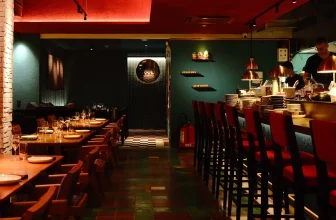
Beyond street-food stalls and casual eateries, Ho Chi Minh City offers restaurants where traditional recipes meet contemporary dining. These establishments provide visitors with different ways to explore Vietnamese culinary heritage. Exploring Vietnamese cuisine in Ho Chi Minh City allows visitors to experience the city’s culinary traditions beyond its most familiar dishes.
Hoa Túc presents contemporary Vietnamese cuisine, combining traditional local flavours with modern cooking techniques. Its elegant setting makes it a suitable option for visitors seeking a refined introduction to Vietnamese food.
HOME Saigon draws inspiration from the culinary traditions of Vietnam’s three regions: North, Central and South. Its menu offers visitors an opportunity to discover the diversity of regional Vietnamese cuisine.
Bếp Nhà Lục Tỉnh specialises in traditional Southern Vietnamese cuisine, with dishes inspired by the food culture of the Mekong Delta. It is worth considering for travellers interested in the flavours and culinary traditions of Southern Vietnam.
Each restaurant offers a different perspective on local cuisine. These recommendations are starting points for exploring Saigon’s dining scene, rather than a ranking of the city’s best restaurants.
Before visiting, check the official websites for current menus, opening hours, locations and reservation information.
3. Understanding Vietnamese Dining Culture
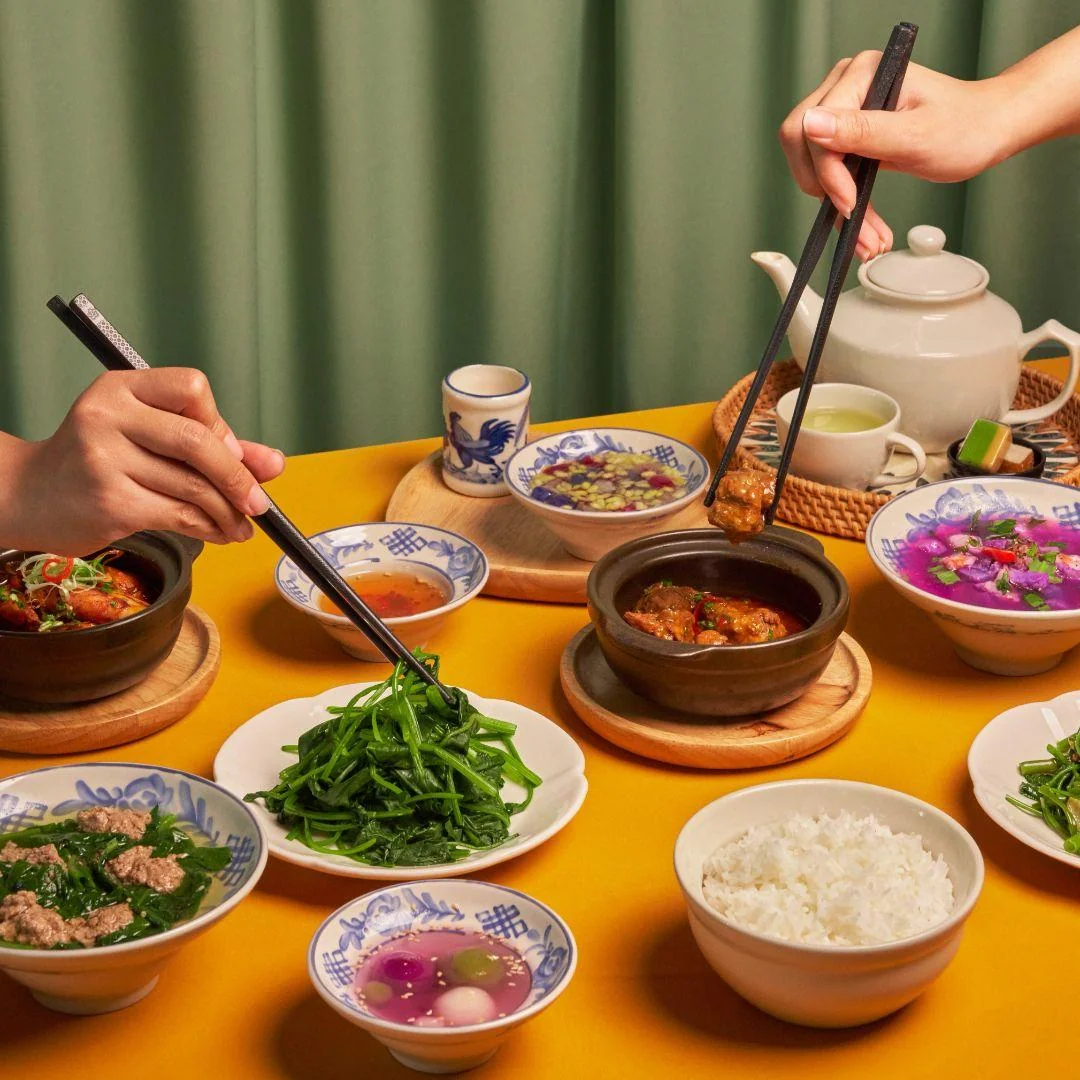
Vietnamese dining is often a shared experience. Several dishes may be placed in the centre of the table for everyone to enjoy, accompanied by rice, vegetables, meat, fish or soup.
Fresh herbs, lime, chilli and dipping sauces play an important role in balancing flavours. Diners can adjust seasonings according to their preferences. Chopsticks are commonly used, although restaurants can usually provide a fork or spoon when needed.
Meals also follow the rhythm of everyday life. Breakfast is often quick and informal, lunch is practical, while dinner provides an opportunity for families and friends to gather and share food.
Visitors with food allergies or dietary restrictions should inform restaurant staff before ordering. Fish sauce, meat-based stock, eggs and peanuts may be included in dishes even when they are not immediately visible.
4. Useful Vietnamese Phrases for Dining
A few simple Vietnamese expressions can make ordering food and communicating with local vendors easier.
| Vietnamese phrase | English meaning |
|---|---|
| Tôi không ăn cay | Not spicy, please. |
| Cho tôi xem thực đơn. | May I see the menu? |
| Vui lòng tính tiền | The bill, please. |
| Cảm ơn. | Thank you. |
A friendly greeting and a simple “Cảm ơn” can make everyday interactions more pleasant. If you have a serious food allergy, explain it clearly and ask the restaurant to confirm the ingredients and preparation method.
5. Practical Tips for Enjoying Local Food
A little preparation can help you explore the city’s dining scene with greater confidence.
- Choose the right setting: Neighbourhood eateries offer a casual local experience, while established restaurants provide a more structured dining environment.
- Check before visiting: Confirm opening hours, menus, locations and reservation requirements.
- Communicate your preferences: Tell restaurant staff if you prefer less spice or have dietary restrictions.
- Ask for local recommendations: Restaurant staff and residents can often suggest dishes worth trying.
- Explore new flavours: Be open to regional specialities and ingredients you may not have encountered before.
There is no need to experience everything in one visit. A bowl of phở in the morning, a plate of cơm tấm for lunch and a freshly prepared bánh mì between sightseeing stops can offer a memorable introduction to Saigon’s food culture.
Discover More of Ho Chi Minh City
Food is one of the many ways to understand the character of Saigon. Continue exploring the city with Minh Concierge’s practical local guides:
- Restaurants in Ho Chi Minh City – Explore dining options across the city.
- Ho Chi Minh City Guide – Discover useful local information and travel inspiration.
- Getting Around Ho Chi Minh City – Find practical transport options for exploring the city.
Experience the flavours, traditions and everyday life of Saigon, one meal at a time.